Studying for Cisco certifications not enough with only official Cisco Press books. We got to supplement our reading with other documents. for CIP1 exam, I decided to heavily rely on reading from the screen. Why? because a network engineer does not often have the luxury to print all the documents he works with.
Documents I’m reading to supplement my CIPT1 studies:
- IOS 15.2M&T configuration guides
- Configuring H.323 gateways
- Cisco Unified Communications Manager Session Management Edition Deployment Guide Release 8.x, page 13
- H.323 Slow Start and Fast Start
- Cisco IOS Voice Command Reference, S Commands
- Media Termination Points
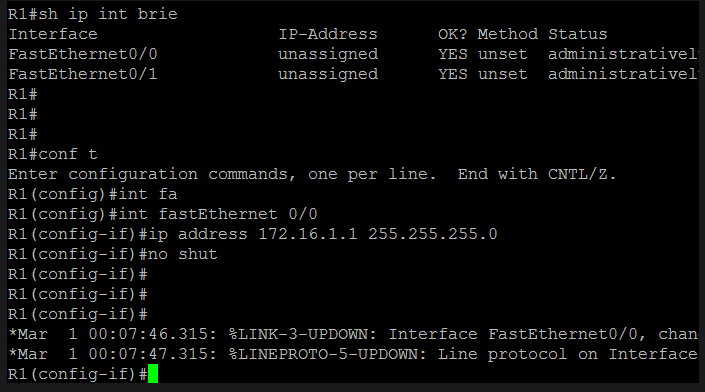
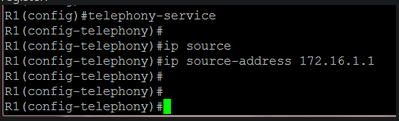
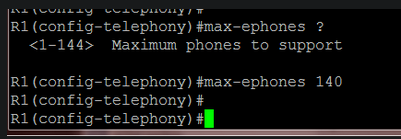
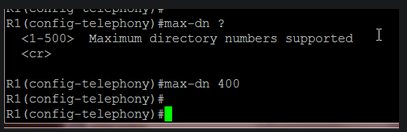 Later, I will change these values because my router lacked memory resources.
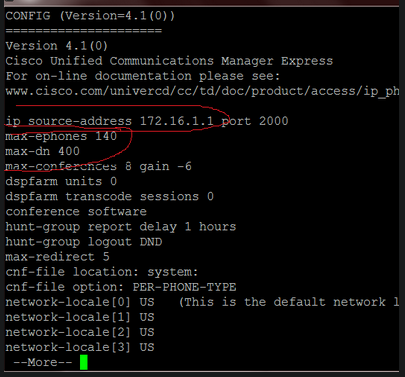
To verify the aforementioned settings:
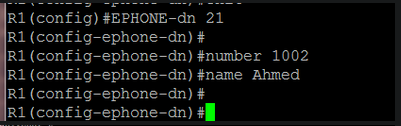
 Let’s create our first ephone-dn:
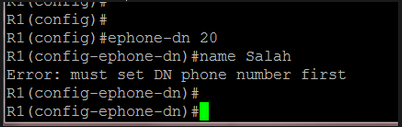
 At this point, my router displayed an error message indicating a lack of memory. I increased its memory size in GNS3:
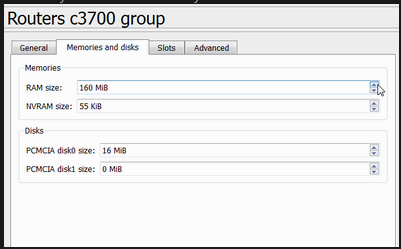 After a reload, things went ok
I also reduced the max-ephone and max-dn values:
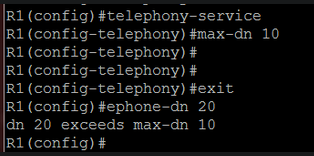 Now we can add ephone-dns without problems:
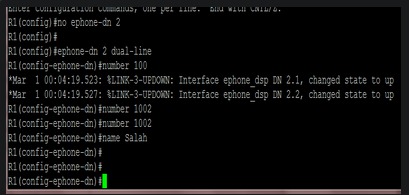
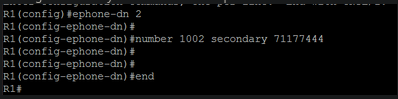
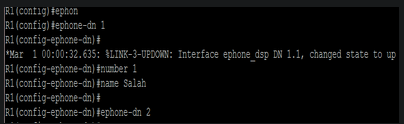 When I create a dual-line ephone-dn, two “sub-ephone-dn” are created:
 To verify ephone-dns:
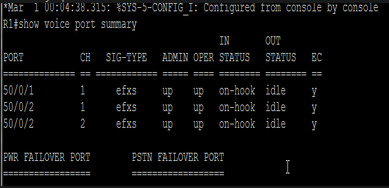 another way to verify it:
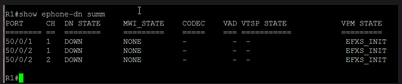 Notice that there are two channels for ephone-dn 2, which is a dual-line ephone-dn.
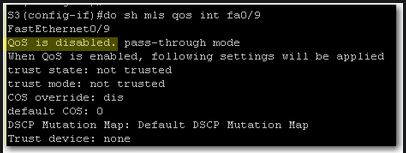 QoS is disabled. We should enable it on global configuration level:
 If we want to display QoS settings for an interface, we do a show mls qos interface command:
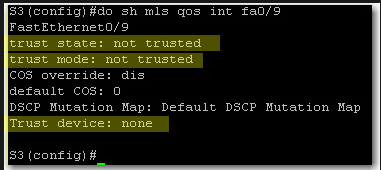 At this stage we still did not define trust boundaries. That’s why Trust State and Trust Mode say “not trusted”. And we did not specify whether we’ll trust a device or not.
To define trust boundary with auto-qos, we either trust all CoS values coming on the switch interface or we trust CoS values only if an ip phone is connected to the switch port.
With auto qos voip trust, we tell the switch to trust CoS on each packet coming on the switch interface:
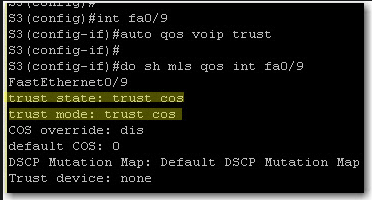 If we want to further limit trust boundary, we can tell the switch to trust CoS values only if a Cisco ip phone is detected on the port:
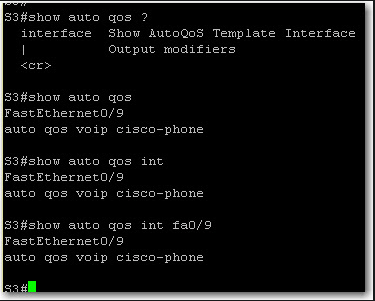
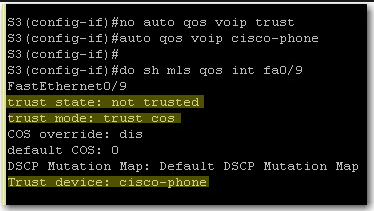 Finally, on a 3550 switch, show auto qos and show auto qos interface give the same output:
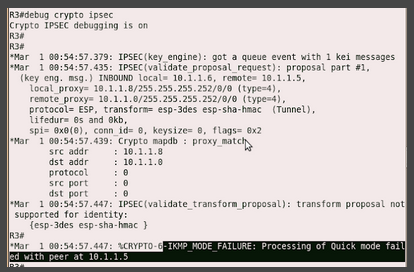 We look back at the configuration on both R2 and R3 and discover that “set transform-set” is missing on R3: